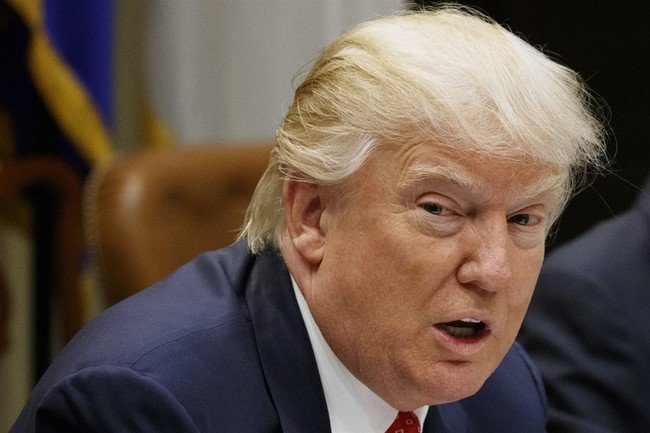
Last summer, at the first meeting of the Trump Leadership Council — an advisory group made up of CEOs of major companies — Donald Trump asked business leaders what their biggest problems were.
I expected the answer to be an anti-growth U.S. tax system. Almost all the CEOs cited the federal tax code as a hurdle, but not the most significant one. Instead, I was surprised to learn that most said the biggest constraint on growth was federal bureaucracy and regulation. Across industries—manufacturers, energy companies, financial services, agricultural interests—federal regulations were seen as mindless, unskilled, costly, and incomprehensible.
Trump is quickly beginning to roll back the rulemaking industry in Washington. He signed an executive order that mandates that any agency that wants to implement modern business regulations must simultaneously repeal two existing regulations. That should reverse the tide of regulatory burden. But there is still much work to be done. And Congress, not just the president, will need to lead the way.
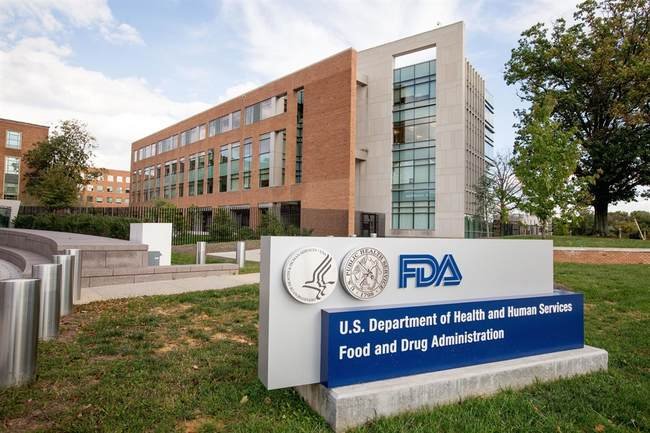
Break for a social studies lesson: One of the mysteries of American government over the past half-century is why Congress has given so much legislative power to what is now the fourth branch of government: federal agencies and special interests. These agencies—the Securities and Exchange Commission, the Federal Trade Commission, the Food and Drug Administration and dozens of others—have become fiefdoms that govern private industries. They answer to no one—certainly not Congress.
But of course, Congress is supposed to make the laws—not unelected bureaucrats at the Environmental Protection Agency or the Commodity Futures Trading Commission. Over the past decade or more, most of the massive laws that affect private industry and consumers have been passed by nonlegislators.
Congress’s excuse is that there are so many rules and regulations that the House and Senate can’t approve every single one. Well, it’s true that there are tens of thousands of these edicts. But isn’t that the heart of the problem?
The bigger problem is that agencies have become arrogant about power and desensitized to the impact of their litany of “you should” and “you shouldn’t.” Martha Kent of the Occupational Safety and Health Administration once succinctly described the attitude of these bureaucrats: “As long as I’m regulating, I’m happy.” She said she “absolutely loves” issuing “regulations” and that she was “born to regulate.” This sounds like someone who knows nothing about private industry.
But who will stop these bureaucrats drunk with power?
A modern analysis by my colleague Jason Pye at FreedomWorks finds that more than 500 modern regulations were introduced under Barack Obama, each costing the economy more than $100 million. That means they imposed a minimum of $50 billion in costs on the economy. How many of those were repealed by the Republican-majority Congress? Aside from the midnight rollback of some Obama-passed regulations, the answer is exactly zero.
The solution is a law that requires congressional approval before a rule can go into effect. If I had my way, any modern rule would only go into effect after a House and Senate vote of approval. If they have to sit until midnight to do it, so be it.
That’s what we pay these people for. At the very least, the Regulations in Need of Scrutiny Act (or “REINS Act”) would require congressional approval of any legislation that would cost workers, employers, or consumers $100 million.
The Trump Leadership Council presidents who called regulation the single greatest threat to American prosperity were not making it up. A 2010 Small Business Administration study estimated that regulation costs diminutive businesses $1.75 trillion a year. That’s more than the entire annual production of Pennsylvania and Ohio combined.
It’s a gigantic tax on the American economy – almost like a second income tax – sapping our strength. Regulators love doing this, and it will continue to do so unless Congress stops complaining about regulation and actually does something about it.