Currencies
The dollar is falling
The most essential currency event in the first quarter of 2016 was the dollar’s decline. The dollar rose in 2015 on expectations that the US Federal Reserve would begin the process of raising interest rates and “normalize” interest rates. In 2016, the US Federal Reserve was expected to embark on a path of raising interest rates, while its counterparts at the Bank of Japan (BOJ) and the European Central Bank (ECB) were expected to continue their negative interest rate policies and stimulus programs. The BOJ and the ECB stuck to their projected paths. In early March, the ECB expanded its quantitative easing program and lowered interest rates even further.
With the Fed tightening and the ECB and BOJ easing, the dollar was expected to rise. However, that did not happen. The Fed has not yet raised interest rates in 2016 and has lowered market expectations for interest rate hikes in 2016 from four to two. The Fed’s withdrawal of interest rate hikes, even with the BOJ and ECB keeping interest rates negative and engaging in additional stimulus, caused the dollar index to fall 4.4%, while the euro and Japanese yen rose 4.87% and 6.83%, respectively. The euro’s gain in the first quarter was the strongest quarter in five years.

Precious metals were the biggest winners in the first quarter of 2016.
Precious metals
Gold shines
Precious metals: Gold, silver, and platinum were the biggest winners in the first quarter, gaining 16.25%, 11.55%, and 9.64%, respectively. Precious metals prices were at multi-year lows at the start of 2016. Lower prices made them more attractive to cyclical investors. An additional factor boosting precious metals prices was the negative interest rates on many Treasury bonds, which also made investing in precious metals more attractive. Stock market turbulence earlier in the year, when many stock indexes fell 10% or more in January, also caused investors to rush to the protected haven of gold. Gold’s performance in the first quarter was the best in almost three decades.
Stocks
Stocks crashed, then rebounded
US and global stocks started 2016 on the wrong foot. US stock markets had their worst January on record and bottomed out in mid-February. Stocks rallied in the last six weeks of the first quarter and ended March roughly where they opened in early January. The Dow Jones Industrial Average ended the first quarter up a modest 1.73%, while the S&P 500 rose 0.91% and the Nasdaq 100 fell 2.72%.
Oil
Oil prices fell, but then rose a little
Oil prices also experienced a rollercoaster in the first quarter. Oil had a very challenging quarter, with prices falling sharply and production rising. The first quarter saw record inventories, and Iran began selling oil to Europe as sanctions were lifted. Oil prices rose toward the end of the quarter on persistent rumors that oil-producing countries would agree to a production freeze.
Policy
Anti-establishment candidates in both parties scored high
Although Hillary Clinton and Donald Trump are leading in the race for the Democratic and Republican delegate nominations, neither party had secured the nomination by the end of the first quarter of 2016.
Democrats
Democrats held thirty-five primaries or caucuses in the first quarter of 2016. The Vermont senator mounted a mighty challenge to front-runner Hillary Clinton, winning fifteen of those primaries or caucuses, including the last five. Mrs. Clinton’s email scandal refuses to abate, even though her rival Bernie Sanders and the media have failed to make it a major issue. There are twenty-two more primaries or caucuses in states that should favor Mrs. Clinton, the most recent being in the District of Columbia on June 14.
The Democratic Convention will be held July 25-28 in Philadelphia, Pennsylvania.

Mrs. Clinton appears to have an insurmountable lead over rival Bernie Sanders.
Republicans
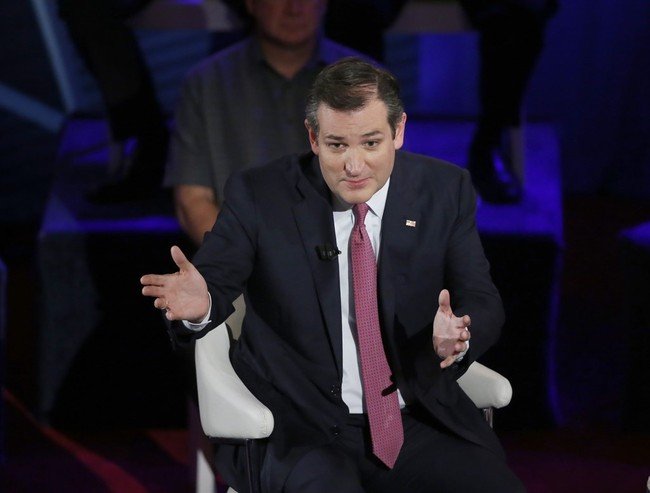
Republicans held thirty-three primaries or party meetings in the first quarter of 2016. Donald Trump won twenty-one of them, his opponent Ted Cruz won nine, Marco Rubio won three, and John Kasich won one.
The conduct of the candidates, their supporters and protesters has become a major issue in the GOP primaries, with violence breaking out at some Trump rallies and a reporter accusing Trump’s campaign manager of assault. Frontrunner Donald Trump and his opponent Cruz have accused each other of dragging their wives into the campaign in unflattering ways. Ted Cruz has responded to a National Enquirer story about several extramarital affairs. During the Trump/Cruz battles, the Republican establishment has strategized about how they could find an “acceptable” alternative to Trump or Cruz, at one point fielding unsuccessful 2012 Republican candidate Mitt Romney to argue against Trump’s candidacy.
There will be seventeen more primaries or party meetings, the last of which, including the California primary, will be held on June 7. The Republican National Convention will be held July 18-21 in Cleveland, Ohio.

Donald Trump leads in Republican delegate count, but his pursuit of the required number of delegates is not yet certain.
This BGASC article does not constitute investment advice or a recommendation for a specific course of action and should not be treated as such.