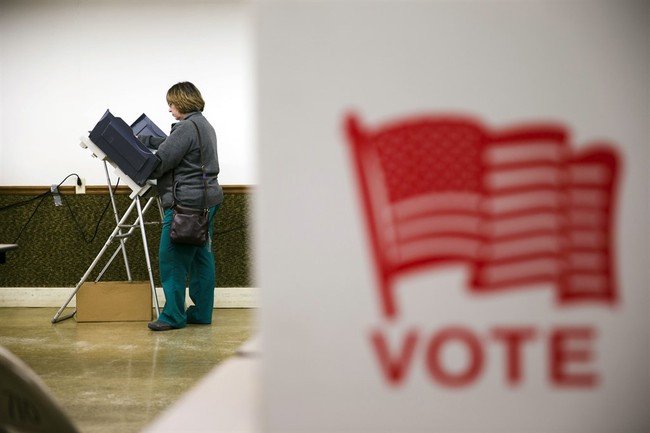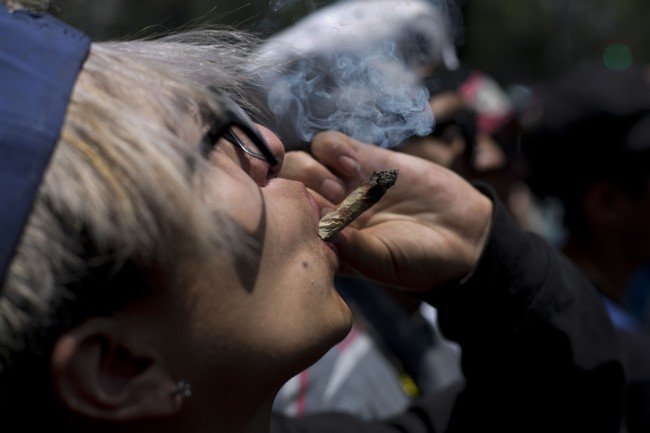
Within the first few months of the ballot initiative’s passage last November, Missouri became home to billion dollars recreational marijuana industry. There is virtually no money to counter $10 million used by the cannabis industry to fully legalize marijuana, the initiative passed by 53-47% in this traditionally conservative state.
A total of 23 states have already legalized recreational marijuana. The liberal states of Colorado and Washington were the first to do so eleven years ago, also based on ballot initiatives that were a central part of the cannabis strategy to become the $30 billion industry it is today.
Federal law still bans this harmful drug, so there it is remains illegal for transportation across state lines. However, most marijuana sold is grown or imported into each state illegally, and Bible-Belt Oklahoma is gripped by illegal production and related crimes, even though Oklahoma voters rejected marijuana legalization earlier this year.
The harmful effects of marijuana have tripled compared to a generation ago one study showed a 3-4-fold escalate in the incidence of schizophrenia over the last 20 years. One in six teenage cannabis users will become addicted to it, and addicts are 3.2 times more likely to self-harm and die by homicide, often after inciting violence.
The skunky smell of cannabis plants and production facilities is shaking up liberal regions. The stink of smoking weed is much worse than that of cigarettes and a Brooklyn lawmaker is seeking to ban outdoor pot smoking in cities says that it is the second biggest complaint to his office after garbage.
California journalist Ann Louise Bardach noted that the smell of cannabis was “like dozens of skunks unleashed at the same time”, and many complained that the smell affected students in California public schools on a daily basis. She told a British newspaper Guardian that cannabis production is currently causing “respiratory illnesses, asthma and watery eyes” in some residents.
Many “grows”, as cannabis crops are called, are still illegal to avoid taxes and regulations. Marijuana legalization in California has sparked a booming black market for marijuana cultivation, which has begun to compete in a crowded market where prices have fallen by two-thirds in the last year, while many cannabis operations are run by out-of-town corporations. than local farmers.
The massive spending on ballot initiatives shows how the cannabis industry has taken over and victimized nearly half of our country, including places like Missouri where Republican legislatures didn’t want it. Then rampant exploitation and crime enters the state with the invasion of cannabis.
“We have literally thousands of pounds of finished illegally grown and illegally sourced marijuana,” Merced County, California, Sheriff Vern Warnke announced last week. Workers “were forced to process marijuana in terrible living conditions in order to repay those who took them across the border,” his office explained.
“The reality of legal marijuana in California: massive illegal grows, violence, worker exploitation and death,” she screamed heading in the liberal Los Angeles Times last September. More than five years after marijuana was fully legalized in the state, the immense majority of sales are still illegal, not legal.
So it won’t be many family farms in Missouri that benefit from billions of dollars of modern encouragement of violence, illegal immigrants and miserable working conditions. Instead, it will bring more crime to this conservative state due to the simple ballot initiative process.
On August 8, Ohioans will vote to raise the threshold required to pass a ballot initiative to 60%, as has long been required in Florida, rather than the mere 50% plus 1 allowed in Missouri. By supporting this Ohio measure, Republicans, including Senator J.D. Vance (R-OH), are trying to protect against out-of-state corporate money passing harmful regulations through a ballot initiative.
This change in Ohio is the only way to keep a pot-by-ballot initiative out of this key battleground state, as the cannabis industry only declined last week 679 signatures are missing out of a total of 124,046 people must submit an initiative for the full legalization of marijuana in the November ballot. They have 10 days to obtain additional signatures, which is simple to do.
Congress is rejecting corporate pressure to legalize cannabis, as are most state legislatures. But spending tens of millions of dollars to push a ballot initiative is pocket change for the cannabis industry, which continues to focus on conservative states like South Dakota and Florida, where ballot initiatives are allowed.
There are few legal profits in the cannabis industry as ordinary investors and compact businesses learn the tough way by watching their capital go up in smoke. Instead, marijuana legalization allows illegal businesses to sell marijuana to the unsuspecting public.
John and Andy Schlafly are the sons of Phyllis Schlafly (1924–2016) and run the continuing Phyllis Schlafly Eagles writing and policy work.