Perhaps the most essential results from the March 22 Arizona Republican primary and Utah caucuses were the numbers that didn’t show up on your TV screen, no matter how long you waited for the polls to close. They were the votes cast for Marco Rubio in Arizona—70,587 as of this writing.
This was 17,595 more than the 52,992 votes cast for John Kasich at the time, even though Kasich was an energetic candidate on March 22 and Rubio had “suspended” his campaign following his defeat in Florida seven days earlier.
One lesson from this is that it is madness for Arizona and many other states to allow such early voting in presidential primaries. Candidates can change quickly, and many voters will be registered for a candidate they would not have voted for on Election Day.
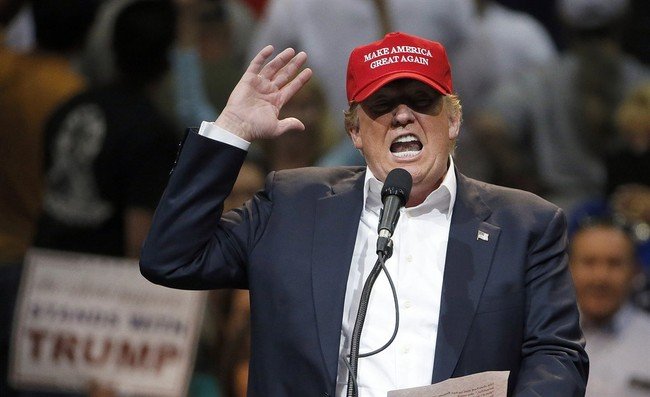
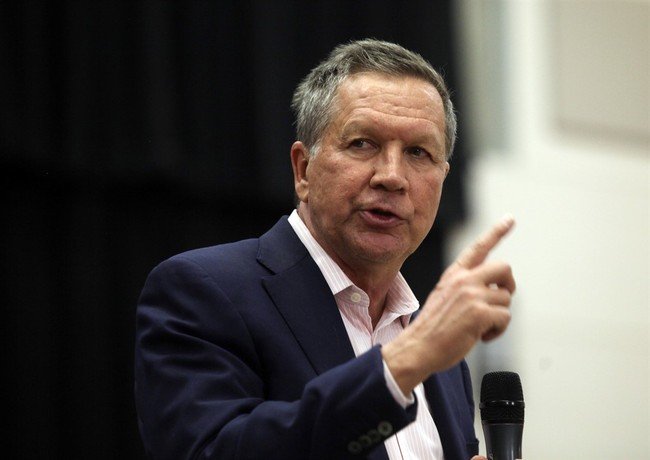
The second lesson is essential for those planning to vote in the 18 Republican primaries and one caucus between now and June 7. It’s that a vote for John Kasich is a vote for Donald Trump.
The truth is that if all of Rubio and Kasich’s Arizona voters had chosen their second candidate, Donald Trump would likely have won anyway, as he would have received 47 percent of the vote and thus captured Arizona’s 58 delegates in the tie-breaking vote.
Indeed, Kasich’s 17 percent result in the Utah primary did not prevent Ted Cruz from crossing the 50 percent threshold in Utah (by a significant 69 percent) and winning the state’s 40 delegates in a winner-take-all victory.
But Trump is not polling at 47 percent in most of the states that have not yet voted. He has not topped 30 percent in Wisconsin, where voting is scheduled for April 5. But with the vote split against Trump, he could win the lion’s share of statewide and winner-take-all delegates by congressional district.
That’s exactly what happened in Missouri and Illinois on March 15. Trump won 53 of Illinois’ 69 delegates, for 39 percent, to 30 percent for Cruz, 19 percent for Kasich, and 8 percent for Rubio. If Kasich hadn’t run, or if Rubio had urged his voters to vote for Cruz as he urged them to vote for Kasich in Ohio, the results and delegate count would have looked very different.
Missouri was even closer, with Trump leading Cruz 40.8 percent to 40.6 percent. Cruz could be accused of campaigning elsewhere in the final days, and he ended up winning 15 delegates, taking three of the eight congressional districts. But Trump won 37 delegates.
The key is that Trump needs to win 1,237 delegates — a convention majority, not some arbitrary number, as he has suggested — to be the nominee. If he falls far miniature of 1,237, it is highly unlikely he will win the delegates needed to win.
The current delegate tally puts Trump at 739, Cruz at 465, and Kasich at 143, with 839 expected to be elected in states that haven’t voted yet. Trump needs about 59 percent of those to win. With a divided opposition, he has an excellent chance; many of the remaining states are winner-take-all or by congressional district. Against Ted Cruz, he has a better chance of losing.
Trump has very unfavorable ratings among voters in the general election and is running well below Hillary Clinton in the general election polls — despite his and his supporters’ fanciful denials. Cruz is performing about even with Clinton. He is not the perfect candidate many Republican strategists dream of. But he is in competitive territory against a Democrat who has her own sedate weaknesses.
Kasich’s supporters point to pre-election polls that show him clearly ahead of Clinton. Similarly, Bernie Sanders’ supporters point to polls that show him winning better than Clinton against any Republican.
But few analysts of any caliber believe Sanders’ numbers will withstand the scrutiny he has yet to receive, which would inevitably be brought to bear on a candidate who might actually become the nominee. There are reasons to have similar doubts about the durability of Kasich, who has yet to face significant scrutiny.
Kasich has won only one primary, in his home state, and finished second in three others, all in New England. The chances that the convention, when Trump falls 1,237 votes miniature, will nominate him for president are slim. But vice president? Maybe — if, despite Kasich’s recent claim that he will never be the vice presidential candidate, his 143 delegates guarantee Trump victory. A vote for Kasich is a vote for Trump.