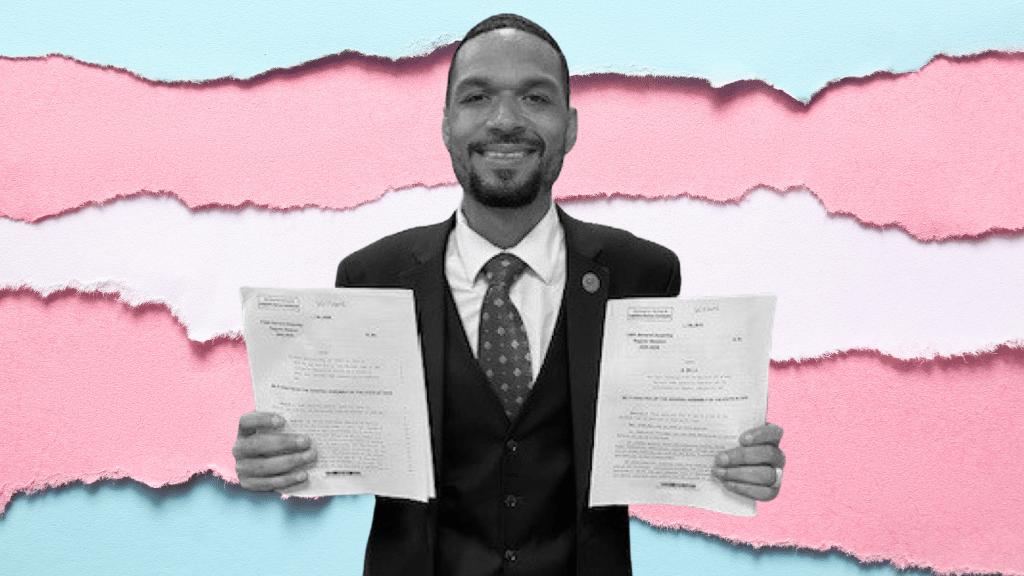
Members of the Minority Strike Force Health Care Subcommittee meet to discuss racial equity and disparities in Ohio.
Health disparities among racial and ethnic groups have proven devilishly tough to eradicate in the United States.
In Ohio, the disparities between whites, blacks and Latinos are especially stark. A panel of experts recently concluded that a series of cuts passed by Republicans in Congress and signed by President Donald Trump will only make them worse — which may be why Trump is trying to make them harder to measure.
This has been known for a long time poorer people have less access to quality care and are sicker than their wealthier neighbors. However, disparities between racial and ethnic groups persist even when members of these groups have incomes similar to their white counterparts.
“Racial disparities are among the most persistent and well-documented in the U.S. health care system,” he added. report published last week by the Commonweth Fund said.
“Landbreaking research has shown that racial and ethnic disparities persist even after controlling for insurance coverage, income levels, and access to care. The root causes of these disparities are multifactorial and include the historical and ongoing consequences of structural racism, the impact of social determinants of health, health insurance disparities, and health care disparities.”
Ohio performed particularly poorly in the study.
States were rated on “health system performance” – health outcomes, access to care, quality of care and operate of health services.
For white people, Ohio’s score wasn’t great, ranking 33rd overall. But for the two minority groups it was even worse.
For Latinos, Ohio ranked 16th out of 48 states for which researchers had sufficient data. And for blacks, Ohio ranked 10th among 39 states for which sufficient data was available.
Those numbers are likely to get worse, said Joseph Betancourt, a family physician and president of the Commonwealth Fund.
“The data in this report reflects the most recent information available on how the health care system will perform through 2024 before the expiration of the Affordable Care Act’s increased marketplace credits, cuts in Medicaid funding, increased eligibility rules, and coverage restrictions for legal immigrants,” he said last week during a virtual news conference.
“These latest changes are likely to make it even more difficult for people to afford and access care and may widen the disparities documented in this report.”
Betancourt meant nearly $1 trillion in cuts to Medicaid funding — largely thanks to modern work and eligibility requirements that were part of the Republican One Big Beautiful Act that Trump signed into law last summer.
He also addressed subsidies for insurance purchased on marketplaces under the Affordable Care Act Republicans were allowed to expire at the end of last year.
Betancourt added that instead of addressing racial and ethnic health disparities, the Trump administration appears to be intent on blinding itself to them.
KFF, a nonprofit health information organization, said in September that the federal government was deleting data that could identify discrepancies.
“The Trump administration moved to eliminate equity initiatives, and it did REMOVED federal data from websites, removing sociodemographic variables from datasets and delaying the release of some data,” it reported.
KFF added: “Reducing the availability of federal data could hinder efforts to identify and eliminate health needs and disparities, change trends in health and health care among different groups over time, and impact how resources are allocated, which could lead to an overall decline in the nation’s health and productivity.”
Or as Betancourt put it, “We know you can’t fix what you can’t measure.”
YOU MAKE OUR WORK POSSIBLE.