As he leaves town, Ohio’s Democratic U.S. Senator Sherrod Brown has scored one long-awaited legislative victory that will benefit public sector workers in Ohio and across the country. The Social Security Fairness Act ensures that former government employees such as police, firefighters and teachers can collect full retirement benefits by repealing two provisions that reduce Social Security payments.
Many public sector workers are not covered by social security because their employer runs a pension scheme for when they retire. However, many of these workers eventually move on to other jobs that pay into the Social Security system. Even though many of them work the required 40 quarters to become fully eligible for Social Security benefits, the program reduces their payouts because they also collect retirement benefits from another pension plan.
William Johnson, who heads the National Association of Police Organizations, explained: “Most police officers must retire after a certain period of service, usually in their 50s, (but) many seek new opportunities to serve their community.”
He explained that these workers are penalized under the so-called windfall elimination rule.
“Instead of receiving the full support of their rightfully earned Social Security retirement benefit, their retirement benefit largely offsets it, thereby significantly reducing the amount they receive,” Johnson said.
Surviving spouses, however, may become even worse off. Government Pension Compensation requires reductions in Social Security-based benefits if one spouse receives public pension benefits. Johnson argued that offsets often result in the “elimination of most or all of the payments.”
These regulations were approved by lawmakers in the 1970s and 1980s in an effort to keep the program solvent.
In total, Brown’s office said, the cuts affect 3 million Americans, including nearly a quarter of a million Ohioans.
How we got here
After an election in which Republicans criticized Brown’s long service in Washington, the passage of the Social Security Fairness Act provides one data point in favor of experience. Earlier this year, Brown held a field hearing in Columbus discussing the proposal, and he has been working to pass it since he served in the U.S. House of Representatives.
He last held this position 17 years ago.
In a press release issued after the vote, Brown described the years of work that ultimately led to more than 60 co-sponsors.
“We have spent decades working to pass this legislation, and tonight is a victory for all public servants who will finally receive the Social Security they deserve,” he said. “Tonight, Congress ensured that police officers, firefighters, teachers and public officials across Ohio will be able to retire on the Social Security they have paid into for a lifetime.”
Brown’s efforts also paid dividends in changing attitudes within the Republican Party. For many, many years, a fundamental tenet of Republican policy has been to find a way to control Social Security spending. Former House Speaker Paul Ryan’s main legislative goal was to privatize the program. Recently, U.S. Sen. Rick Scott, R-FL, proposed Plan to save America in 2023, which would lead to the expiration of Social Security and health care.
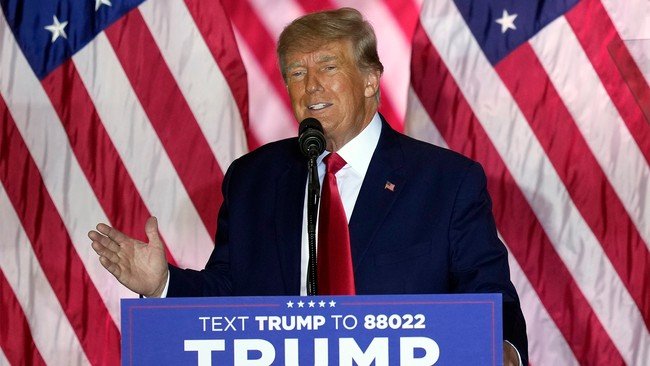
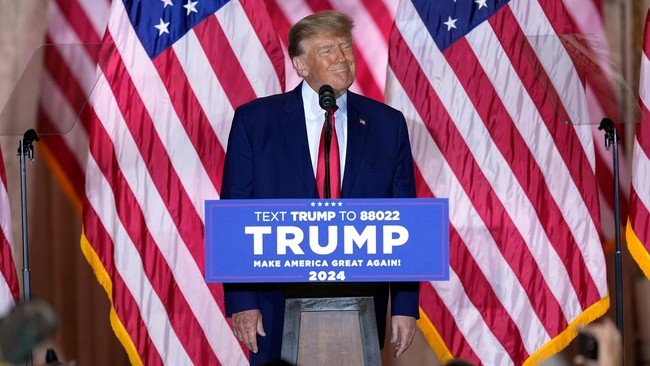
But since Donald Trump emerged as leader of the Republican Party, efforts to overhaul the pension program have largely fallen by the wayside. Within weeks of presenting his plan, Scott, for example he stepped back on the termination of social security and health care. Last week even voted for Social Security Fairness Act.
It’s not strenuous to see why. With Trump at the helm of the party, there is no longer top-down, rhetorical pressure to cut spending on a popular program. At the same time, traditionally Republican-leaning constituencies like the police force argue strongly that it is unfair to limit the Social Security benefits they receive just because they earned different benefits through a different career.
However, this measure does not improve the long-term balance of social security. In the latest report on the Social Security Trust Fund, the date of its depletion is 2033. Meanwhile, Trump, although he has not proposed reducing pension benefits, has proposed reducing taxes paid on this trust fund, which could potentially accelerate the exploit of its reserves.
Reactions
However, at this time, the adoption of the law has been welcomed by organizations representing public sector employees. National Fraternal Order of Police President Patrick Yoes argued that the WEP and GPO are “inherently unjust laws that unfairly punish our nation’s public sector workers.”
“No one, not even those who did not vote for our bill today, argued that the law treated workers fairly,” he continued. “If this program were run by a pension board or private money management group rather than the Social Security Administration, they wouldn’t call it windfall elimination or compensation — it would be considered embezzlement.”
International Association of Firefighters President Edward Kelly interjected that “for over 40 years” Congress has been “stealing” retirement benefits from firefighters and other public employees.
“But today,” he said, “the United States Senate, in a rare bipartisan effort, rose to say, ‘Never again,’ by voting to ensure that retirees finally receive the benefits they have paid for and earned.”
Ohio Education Association President Scott DiMauro said, “For too long, the federal government has failed to provide the full Social Security benefits that many public school teachers earn.”
“For too long,” he added, “potentially great educators have chosen not to work in this profession because they would lose most of the Social Security benefits they previously earned if they entered a life of public service. That’s changing now.”
Follow the OCJ reporter Nick Evans on Twitter.
YOU MAKE OUR WORK POSSIBLE.