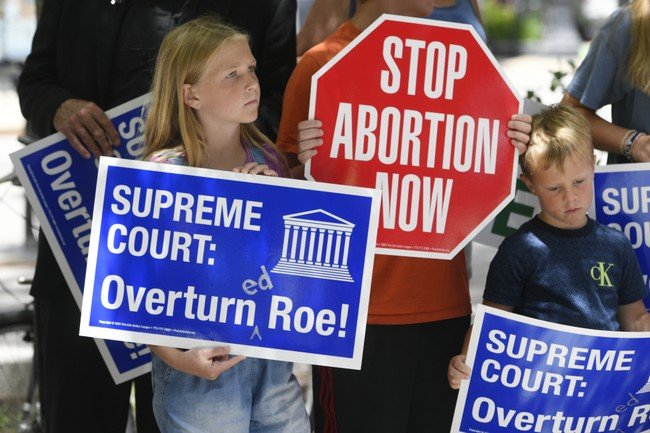
Democrats managed to dampen GOP hopes for a red wave, and there will no doubt be thoughts about how abortion saved liberals in 2022. Once again, this is a gross misreading of the polls. It began in the summer when Kansas voters rejected a pro-life amendment to their state’s constitution. This didn’t happen because the state became pro-choice after the Dobbs ruling overturned Roe v. Wade. The point was that the state already had stringent restrictions on the controversial procedure.
To its credit, Vox was one of the few left-leaning media outlets to note that the Jayhawk State already bans abortions at 22 weeks of pregnancy, prohibits state and federal funding, and has parental consent laws. It shows where this issue is likely to reach most voters and state legislatures – abortion will remain legal but highly regulated. The left sees the above restrictions as a total ban on the procedure – it wants abortion on demand, without exceptions and financed from federal funds.
If you zoom in on the map, every Republican governor who supported abortion restrictions, and some signed such bills before Election Day, won his re-election bid (via American conservative):
If anything made less of an impression on election night than the “red wave,” it was the abortion wave. Blue states protected abortion rights as expected, but public officials who supported or enforced abortion restrictions in nearly 20 red states were re-elected.
Since June, Americans have learned that, in the Dobbs ruling, the United States Supreme Court did not recognize abortion as illegal. Instead, after decades of case law that effectively taught Americans to accept abortion, the Court made abortion an issue for voters, Congress and the states.
[…]
A reported $500 million was spent attacking Republicans who supported pro-life laws and policies. Abortion was an election issue in virtually every state as Democrats covered the topic in their ads.
The first national elections after the Court overturned Roe were bound to be boisterous, but the issue was a fiasco for abortion activists in many states.
[…]
Thirteen states have sought to enforce abortion restrictions in early pregnancy. In Alabama, Governor Ivey won with 67 percent. Sara Huckabee Sanders won in Arkansas with 63 percent. In Idaho, Republican Brad Little was reelected with 60 percent of the vote. In Oklahoma, Republican Governor Stitt was re-elected with 55 percent of the vote. In South Dakota, Governor Noem was re-elected with 62 percent of the vote. And in Texas, which received the most media attention in the year before Dobbs’ decision, Governor Abbott was re-elected with almost 55 percent.
In four additional states with early pregnancy bans, Georgia Governor Brian Kemp was re-elected with a 53% majority, Iowa Governor Kim Reynolds won with 58%, Ohio Governor Mike Dewine was re-elected with 62%, and Tennessee Governor Bill Lee was re-elected re-elected, winning 65 percent. South Carolina Gov. Henry McMaster, who signed the early pregnancy restriction into law in August, was re-elected with 58 percent of the vote.
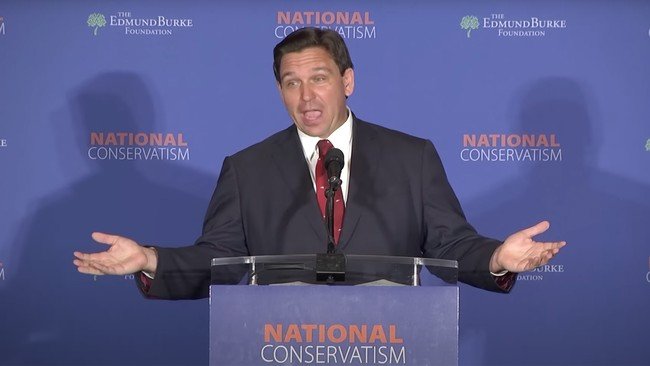
Florida Governor Ron DeSantis, who supported and signed a ban on abortions “likely to cause pain” after the 15th week of pregnancy, was re-elected with a majority of almost 60%.
We will certainly have to raise the issue of abortion again, and the liberal media and Democrats will gloss over the uncomfortable aspects of this debate – but the fact remains: pro-life governors survived and won by immense majorities.